Security Forces
Security Forces
Specialized legal defense for police, military, gendarmerie, coast guard and correctional service personnel.
Free consultation
Specialized legal defense for police, military, gendarmerie, coast guard and correctional service personnel.
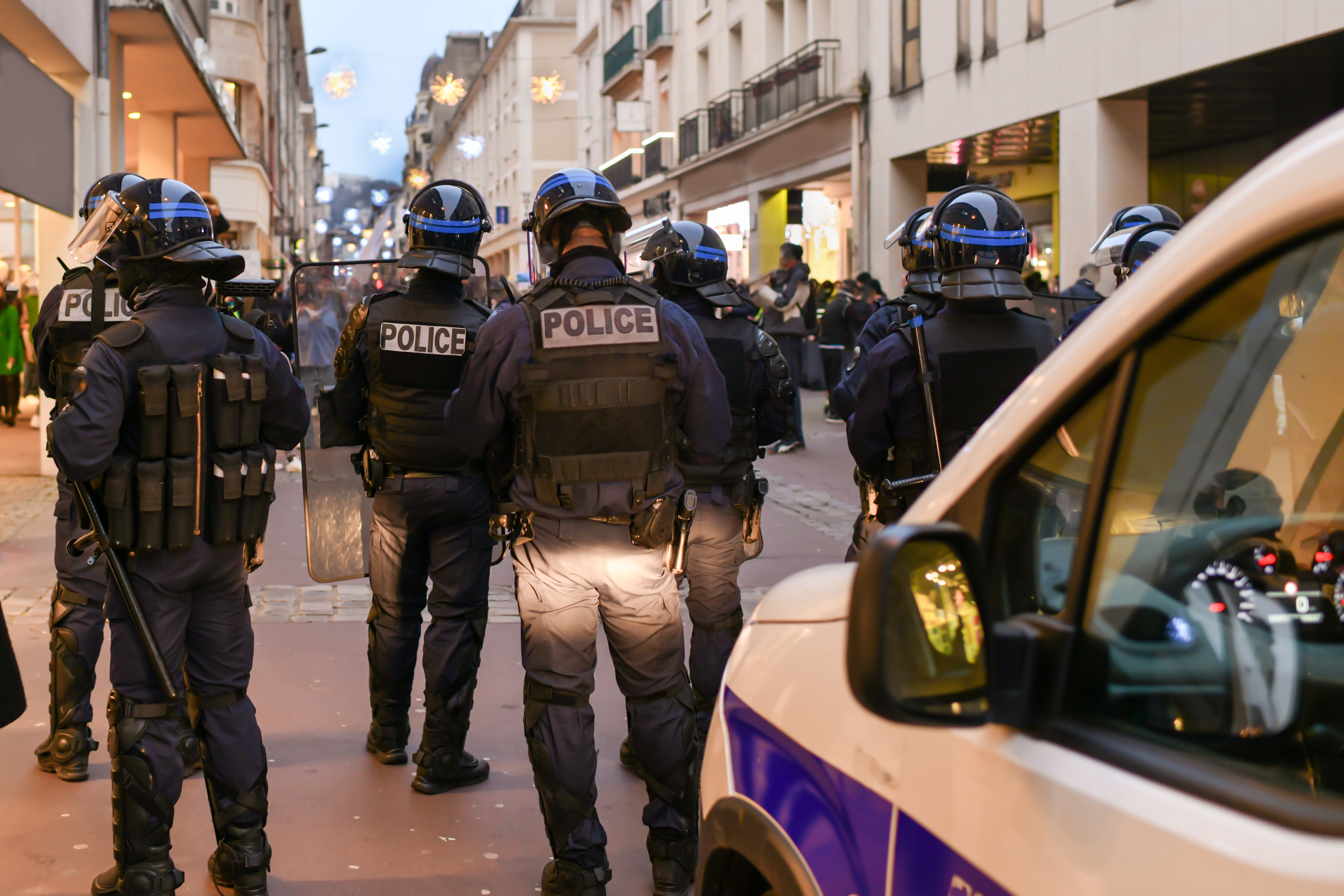
Free consultationSecurity forces, such as the Federal Police, the Buenos Aires City and Province Police, military personnel, the Coast Guard and the Correctional Service, are public employees with the same rights as any other. These include job stability, leave, the right to promotion and the right to defend themselves against the disciplinary authority of their superiors. Their role is vital for preserving order and security.
Within the security forces, there is a special regulatory framework governing their operations. Hierarchy and discipline are particularly emphasized in this context. Each jurisdiction has the authority to regulate its own legal framework. For more information on our services in this area, see our administrative law page. In addition to national legislation, security agencies have internal regulations that define labor relations and operational protocols.
Schedule a consultationWe represent police, military and federal and provincial security force personnel in all administrative and judicial proceedings related to their career and disciplinary regime.
The disciplinary regime provides for two categories of sanctions. Corrective sanctions do not entail separation of the officer: reprimand, arrest (temporary deprivation of liberty within the force's premises) and suspension (temporary separation without pay).
Expulsive sanctions may mean the end of a career: demotion (reduction in rank), dismissal (permanent separation with the possibility of re-entry) and dishonorable discharge (permanent separation with disqualification from re-entering public service).
Every sanction must comply with the principle of proportionality. The officer has the right to defense, access to the disciplinary case file, the ability to submit evidence and rebuttals, and to be assisted by a lawyer of their choosing.
The right to defense, access to the case file, the ability to submit evidence and rebuttals, and to be assisted by a lawyer. The Federal Police is governed by Law 21,965, while military personnel are subject to Law 19,101. Sanctions must be proportional and comply with established procedures.
Yes. Through administrative appeals (reconsideration and hierarchical appeal) and, once administrative remedies are exhausted, an administrative litigation action before the federal courts. There is favorable case law that has ordered the reinstatement of personnel discharged irregularly.
Law 19,101 (Military Personnel), Law 21,965 (Federal Police), Law 19,349 (Gendarmerie), Law 18,398 (Coast Guard). Each provincial police force and the Buenos Aires City Police also have their own statutory framework.
Corrective (reprimand, arrest and suspension) and expulsive (demotion, dismissal and dishonorable discharge). Every sanction must be proportional, comply with due process and be duly substantiated.
Yes. Every member of the forces has the constitutional right to choose a private lawyer. It is not mandatory to use the force's official public defender. An external specialized lawyer provides a more independent defense.
Every situation is unique. Tell us about your case and our team will contact you within the next 24 business hours.
Suipacha 1111
C.A.B.A., Buenos Aires
consultas@quinternofidanza.com
+54 9 11 2393-0687
Suipacha 1111
CABA
consultas@quinternofidanza.com
+54 9 11 2393-0687